The city itself
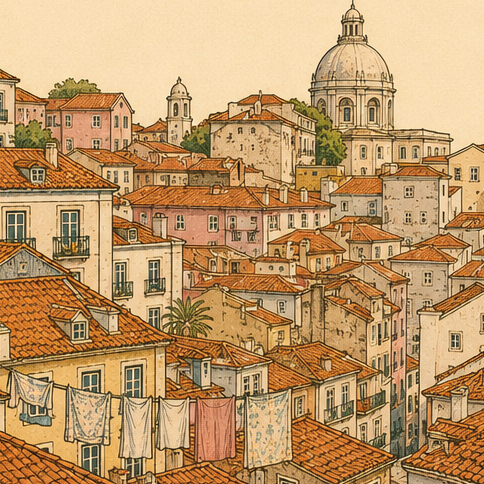
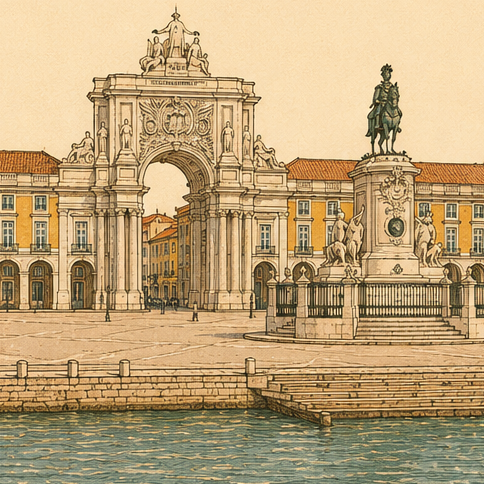
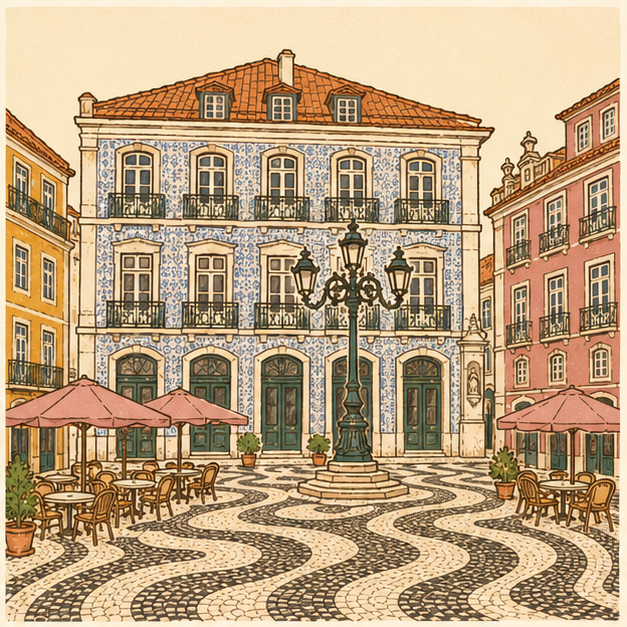
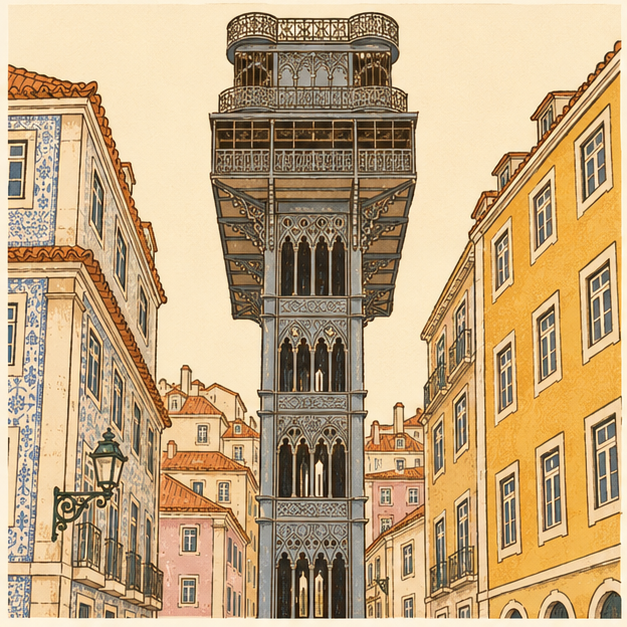
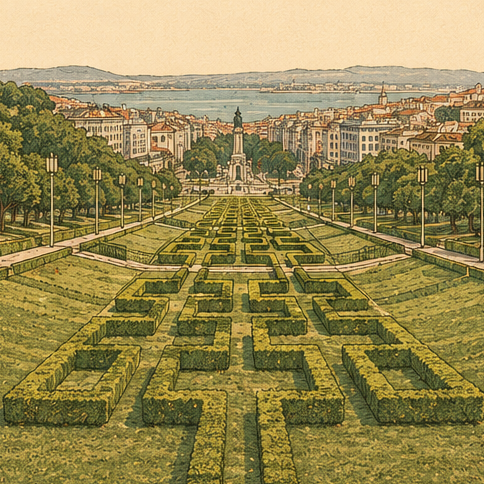
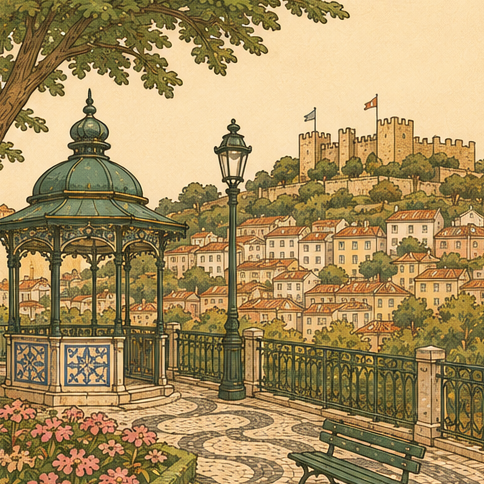
Hilly, photogenic, and endlessly walkable. Alfama and the Baixa are the historic heart; Chiado and Príncipe Real are where to spend evenings. Start here — everything else radiates out.

Monument district
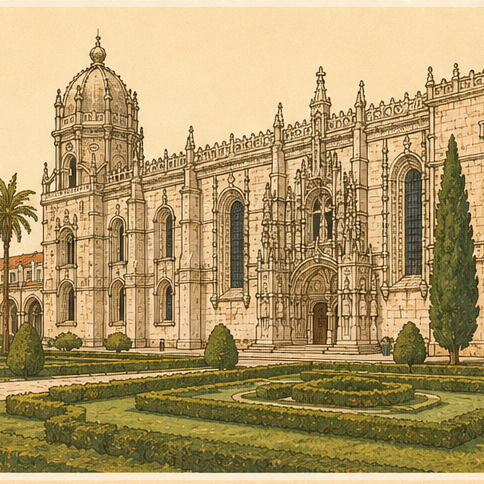
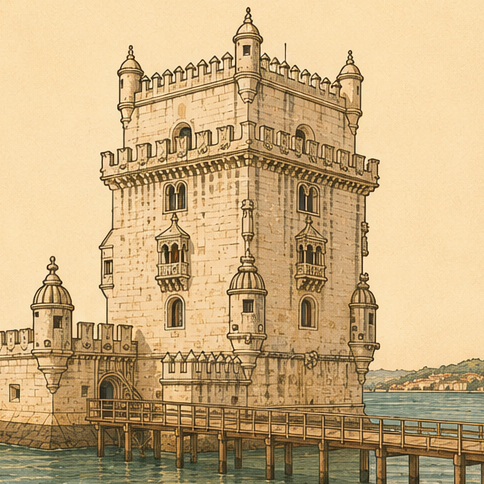
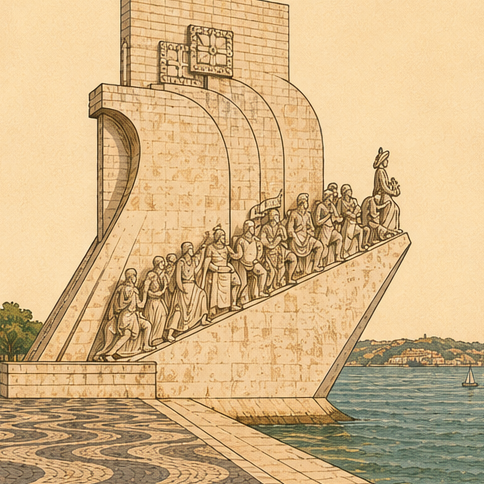
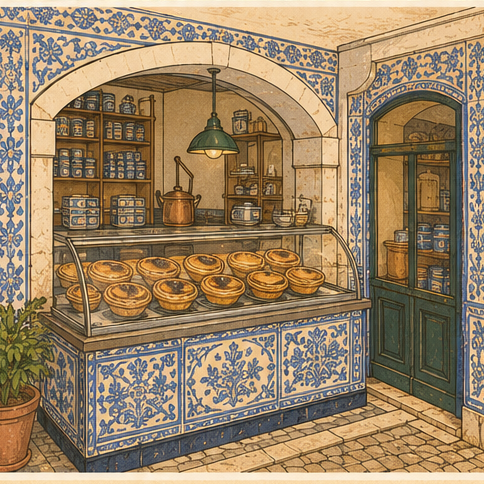
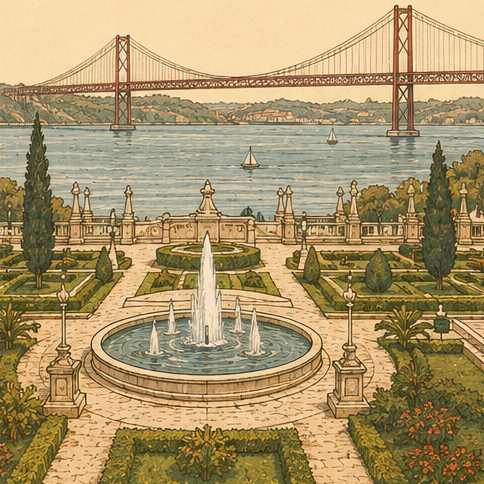
Where the Age of Discovery was launched. A riverside strip of Manueline architecture, world-class museums, and the original pastel de nata. Half a day minimum. Book Jerónimos in advance.
The hill palaces
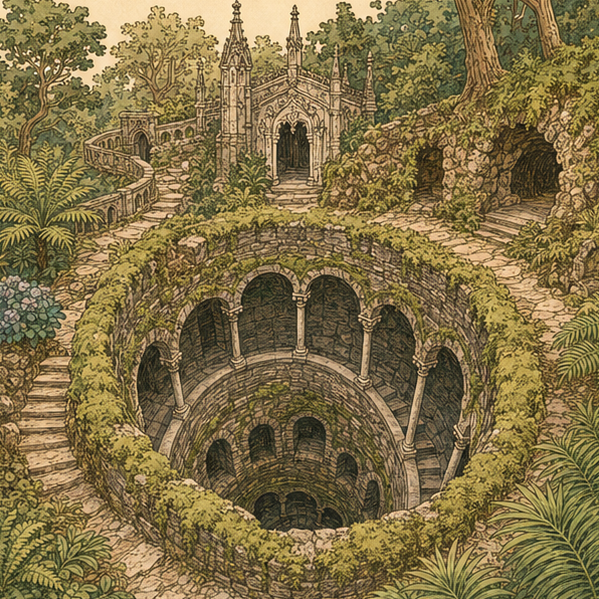
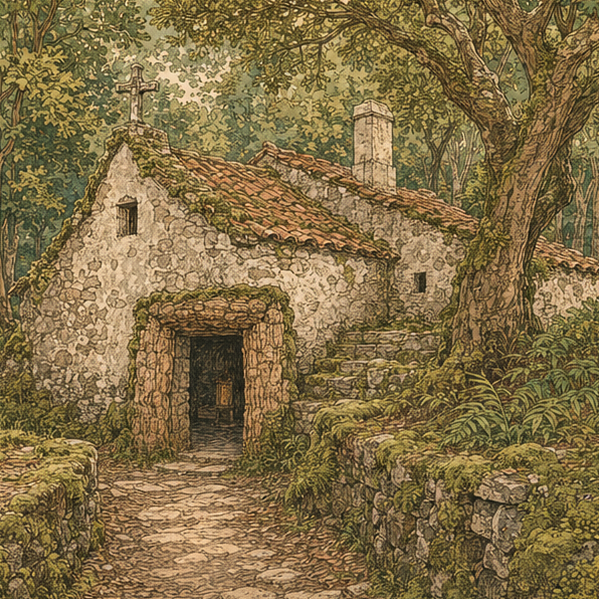
40 minutes from Lisbon by train, in a cool, forested UNESCO hillside studded with royal palaces and romantic ruins. One full day required — pick two or three targets and commit.

The coastal town
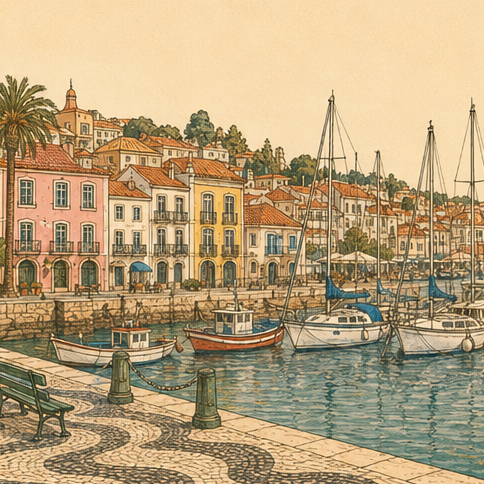
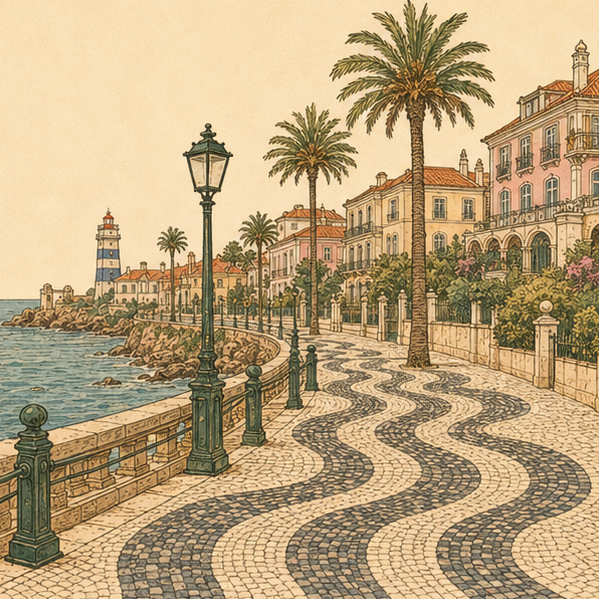
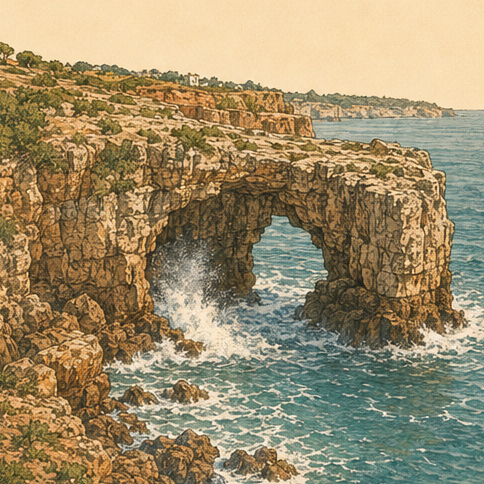
35 minutes from Lisbon by train along a scenic coastal route. Once a royal fishing village, now a relaxed seaside town with good beaches, cliff walks, the Ian Fleming connection, and wild dunes at Guincho.
The long beach
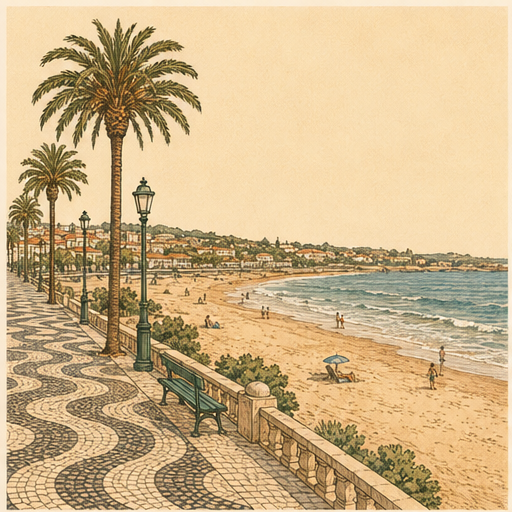
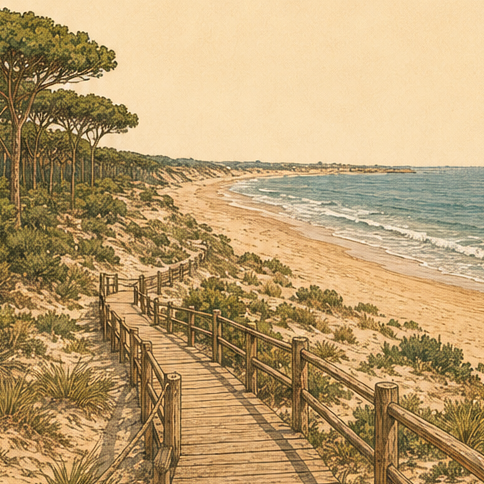
On the south bank of the Tagus, a 30km stretch of Atlantic sand Lisboetas have escaped to for generations. Less touristy than the Cascais side — more local, more relaxed, more sand.

The surf town
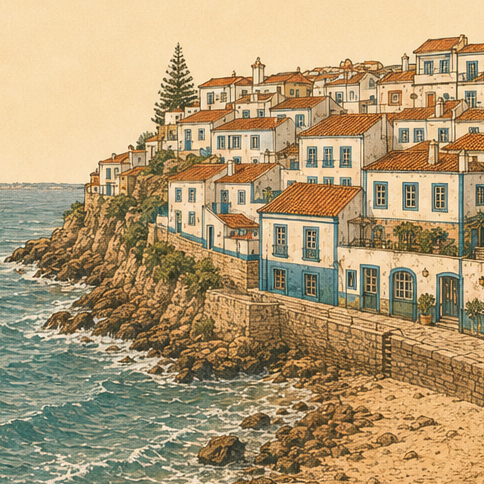
45 minutes north of Lisbon by road, one of only two World Surfing Reserves in Europe. A whitewashed clifftop fishing village with serious surf culture, excellent seafood, and a genuinely Portuguese pace.
Suggested Itineraries
Restaurants coming soon — food recommendations will be layered in shortly.
What to know about food
Specific restaurant pins are on the map. This is what you need to know before you sit down.
The couvert — read this first
Most restaurants will bring bread, butter, olives, or small starters to the table without asking. This is not free if you eat it. If you don't want it, just say so and they'll take it away — no awkwardness. If you keep it, it'll appear on the bill. It's called the couvert and it's completely normal.
Everyday Portuguese restaurants
Most tascas — the everyday neighbourhood restaurants — serve straightforward, honest food: grilled fish, roasted meats, simple salads. Vegetables are usually boiled or grilled and dressed with olive oil. The bread is good. Even the touristy ones in the Baixa tend to serve representative Portuguese food at fair prices. Don't overthink it.
Higher end vs everyday
There are now more refined, higher-end restaurants in Lisbon serving creative Portuguese cuisine. They're worth exploring, but the everyday tascas often deliver a more satisfying meal — better value, more character. The upscale places can be hit or miss.
Brunch
Brunch is a genuinely popular thing here and there are good dedicated brunch spots throughout the city. Don't expect crispy bacon — it's not really a thing — but everything else tends to be solid. Worth doing at least once, especially on a slow Sunday morning in Príncipe Real or Intendente.
Italian + other options
Italian food is popular in Lisbon and genuinely good. Pizza here is Italian-style, not American — thin crust, restrained toppings. If you're expecting a thick New York slice, adjust expectations. There are also many ramen restaurants — themed, not the most authentic, but good enough if you want something warm and soupy.
Smashburgers
Until recently you couldn't find a decent smash-style burger in Lisbon. That changed fast — there are now several good spots, and the quality is high. Worth knowing if anyone in the group needs a break from Portuguese food mid-week.
Bacalhau — a must-try
Salt cod is Portugal's national obsession — the saying goes there's a different bacalhau recipe for every day of the year. Dried, salted, then soaked back to life, it ends up tender and savoury rather than fishy. Start with bacalhau à brás (shredded with egg and matchstick potato) or bolinhos de bacalhau (fried cod cakes). One of the two things you really shouldn't leave Lisbon without eating.
Pastel de nata — a must-try
The other one. A warm custard tart in a shatteringly crisp, caramelised pastry shell — best eaten fresh from the oven, dusted with cinnamon, with a bica (espresso) alongside. They're everywhere and mostly excellent; the original lives at Pastéis de Belém, but a good neighbourhood pastelaria will rarely let you down.
Rooftops & sunset
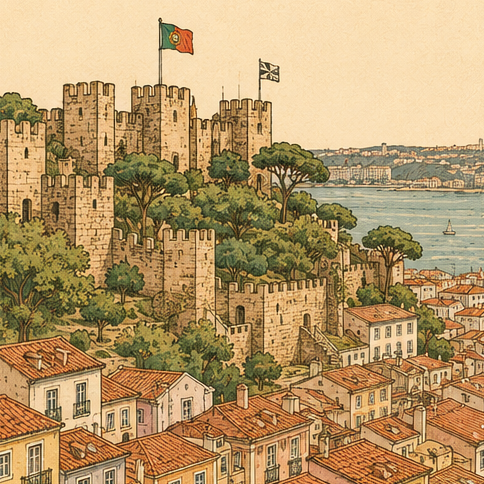
Lisbon is a city of hills, so almost every rooftop bar and miradouro frames a different view — the castle from one, the river and bridge from another, an endless tumble of terracotta roofs from a third. Pick one for the hour before the sun goes down. The light here softens and turns gold as it drops over the Tagus, and watching it change is one of the loveliest evening rituals in the city.
Transport notes
City Transport Card
Get a Viva Viagem card from any metro station. Load it with credit (Zapping mode) and it covers metro, bus, and tram. Significantly cheaper than single tickets — worth getting on day one.
Uber & Bolt — pricing context
Both apps work throughout the metro area and beyond. Bolt tends to be slightly cheaper. Compared to the US, rides are very affordable: a 10-minute trip runs under €10, and Lisbon to Sintra usually lands under €25 depending on time of day. For a family, Uber or Bolt can easily beat multiple return train tickets while saving time.
Traffic — when to avoid driving
Lisbon has real rush-hour traffic on weekdays. Morning: roughly 7–9am. Afternoon: roughly 5–8pm. A Sintra trip of 20–25 minutes can stretch to 45+ during peak hours. On a weekday morning rush, the train is the smarter call for Sintra and Cascais. Weekends and midday by Uber are generally fine.
Sintra — train vs Uber
Train from Rossio (Linha de Sintra, ~40 min, frequent, no reservation) is the reliable choice — unaffected by traffic. Uber door-to-door is 20–25 min outside rush hour, roughly €20–25. For a family of four, Uber can match return train tickets and is more flexible. Within Sintra, Uber beats the packed palace buses (434/435).
Cascais by Train
Train from Cais do Sodré (Linha de Cascais, ~35 min) is scenic and reliable — runs until late, no reservation. Uber is 30–40 min outside traffic for roughly €20–25. The train is the easier call. Guincho has no useful direct bus — Uber from Cascais centre (~10 min) is the only practical option.
Tram 28
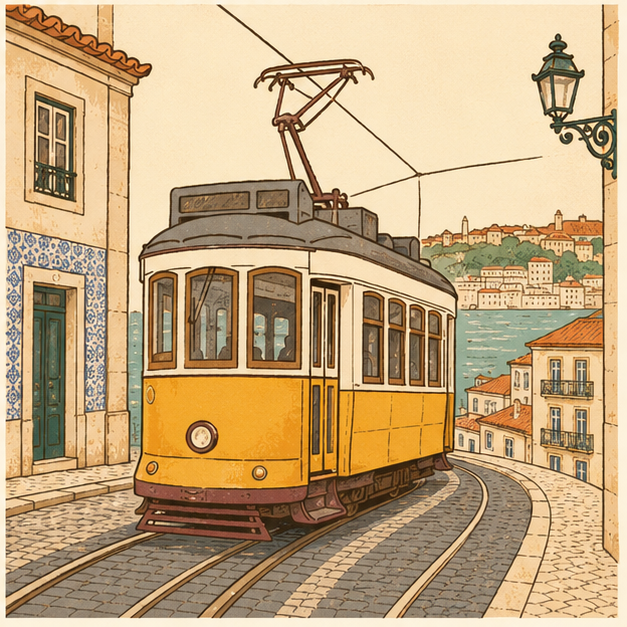
Genuine public transport through Alfama, not a tourist train — it gets packed. Board before the main queue points (Largo Martim Moniz or Graça) and ride early morning or evening to avoid the crush.
Belém from Center
Around 20–30 min by Uber outside peak hours, roughly €8–12. Alternatively, walk the riverside from Cais do Sodré (~50 min flat) — pleasant with river views the whole way. Bus also works but takes longer than Uber.
Costa da Caparica
By public transport: bus from Praça de Espanha, or ferry from Cais do Sodré to Cacilhas then bus — allow 45–60 min. By Uber: 30–45 min depending on bridge traffic, roughly €25–40. The 25 de Abril bridge backs up at peak hours. For a family wanting flexibility along the strip, Uber is more practical.
Ericeira
No train. Bus from Campo Grande takes around an hour. Uber from central Lisbon runs 45–50 min outside traffic, roughly €30–40 — still reasonable for a family day trip, and significantly more flexible. Good value for time given the distance.